Published · Morgan Oaks Eternal Preserve
One of the first questions families ask when they hear about green burial isn't "what does it look like" — it's "what does it cost." It's a fair question. Funerals in California…
One of the first questions families ask when they hear about green burial isn’t “what does it look like” — it’s “what does it cost.” It’s a fair question. Funerals in California routinely run into the tens of thousands of dollars, and for many families, cost is just as important as environmental impact or aesthetics when deciding how to lay a loved one to rest.
Here’s a real, line-by-line look at where the money goes with traditional burial versus green burial — and why families across Roseville, Rocklin, Granite Bay, and Folsom are increasingly choosing the natural option at Morgan Oaks Eternal Preserve in Lincoln, CA.
What Drives Up the Cost of a Traditional Burial
A conventional funeral and burial typically includes several line items that add up fast:
- Embalming — chemical preservation of the body, often required by funeral homes for viewings
- Metal or hardwood casket — can range from a few thousand dollars to well over $10,000
- Concrete burial vault or grave liner — required by most conventional cemeteries, regardless of casket choice
- Cemetery plot — price varies widely, often higher in maintained, irrigated cemetery grounds
- Headstone or grave marker — professionally engraved stone, typically a separate cost from the plot itself
- Ongoing grounds maintenance fees — irrigation, mowing, and landscaping built into cemetery upkeep
According to the National Funeral Directors Association, the median cost of a funeral with viewing and burial in the U.S. has climbed well past $8,000 — and that figure often doesn’t include the plot, vault, or headstone, which can push the true total significantly higher.
What’s Different About Green Burial Pricing
Green burial removes several of the most expensive line items entirely:
- No embalming required — the body is prepared naturally, without chemical preservatives
- No concrete vault — natural burial grounds don’t require one, since the goal is for the body to return to the earth
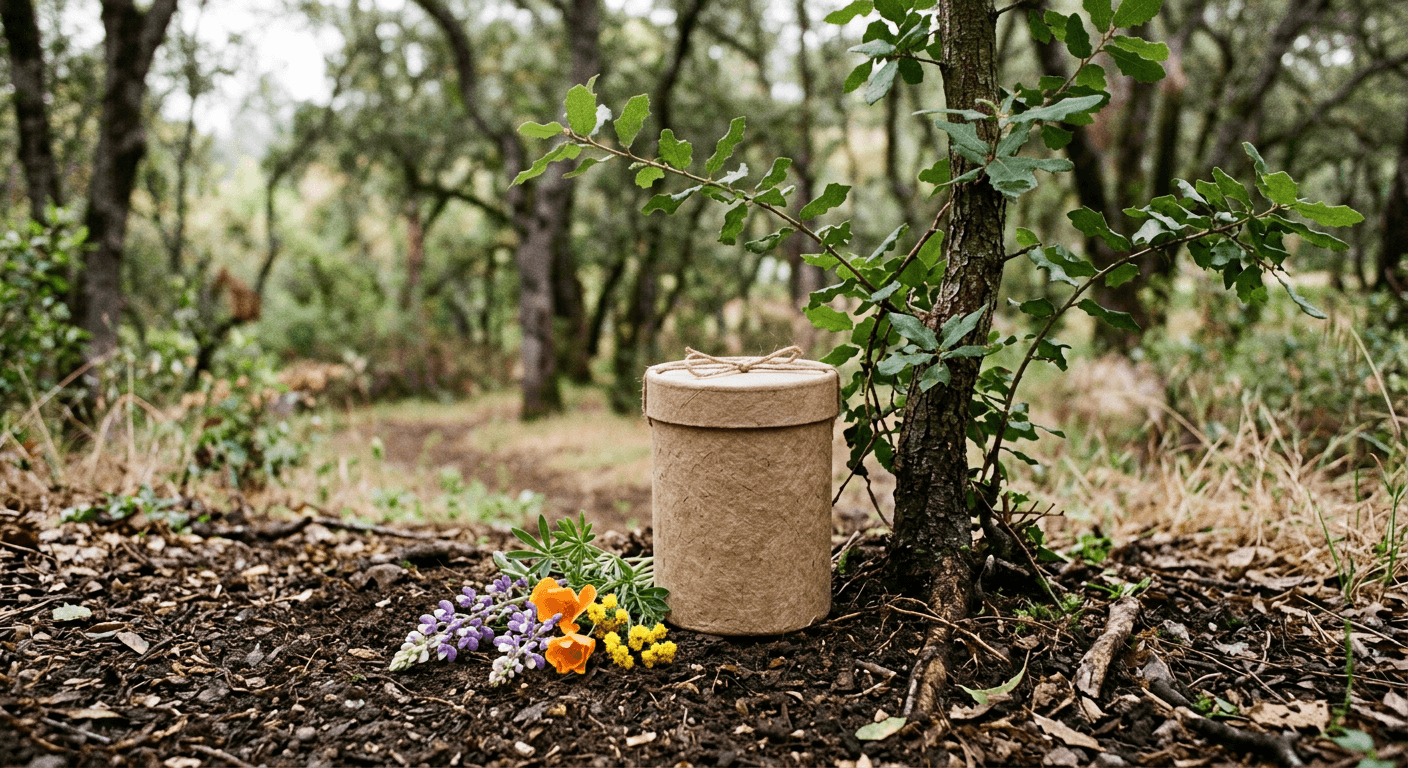
- Biodegradable casket, shroud, or urn — options range from simple cotton shrouds to wicker or wood caskets, generally at a fraction of the cost of a sealed metal casket
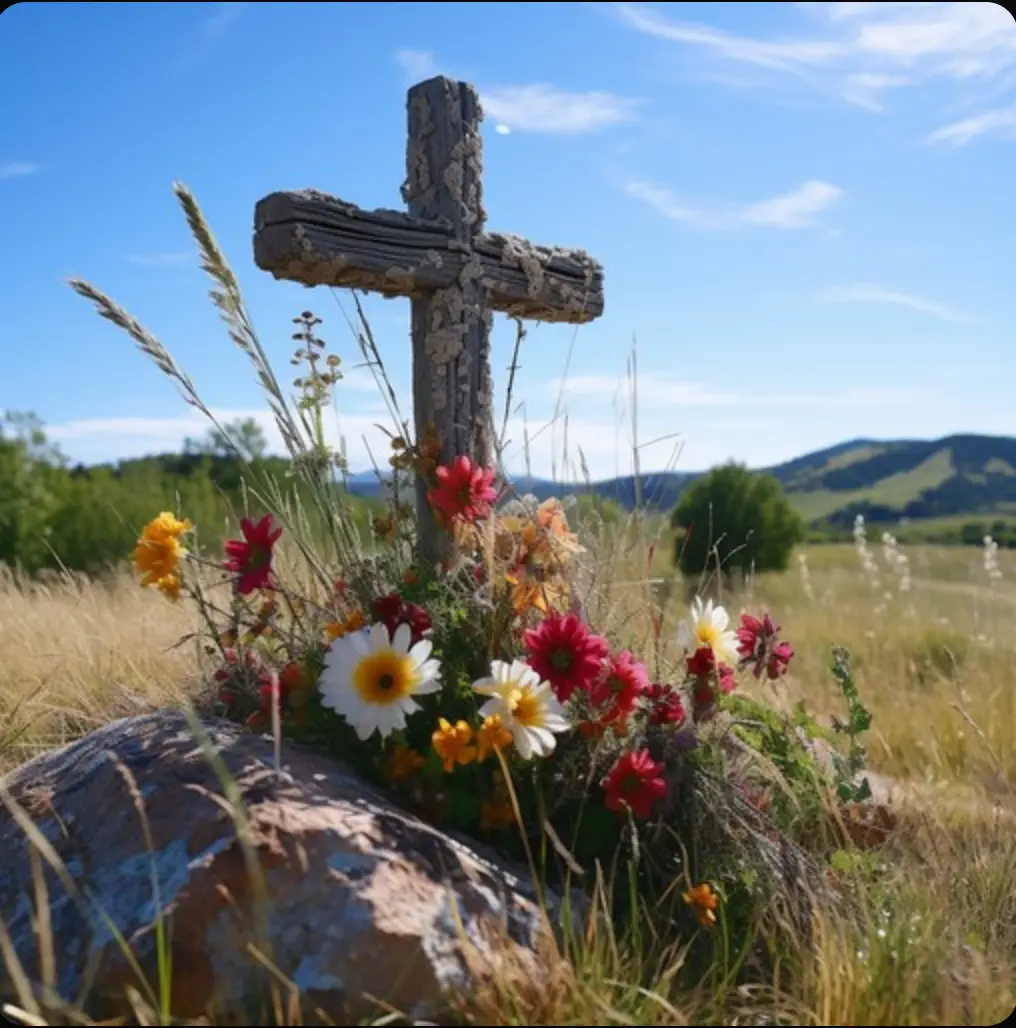
- Natural stone marker — a simple, locally sourced stone rather than a manufactured, engraved headstone
- Optional memorial tree — planted in place of, or alongside, a traditional marker
Because green burial grounds like Morgan Oaks aren’t irrigated, mowed, or landscaped like a traditional cemetery, ongoing maintenance costs are lower too — savings that get reflected in the price of the plot itself.
The Bottom Line
Families typically find that a full green burial — plot, natural marker, and burial services — costs meaningfully less than a comparable traditional funeral and burial package once embalming, casket, vault, and headstone are all factored in. Every situation is different, so it’s worth requesting an itemized quote directly, but the gap is rarely small.
It’s Not Just About Saving Money
Cost is often the entry point, but families who choose green burial usually end up valuing what they don’t have to pay for just as much as what they save:
- No embalming means no chemical exposure for the body
- No concrete vault means no permanent scar on the land
- No manufactured casket means a lighter environmental footprint
- Money saved often gets redirected — some families use the difference to fund a memorial tree, a scholarship, or a donation in their loved one’s name
At Morgan Oaks, a portion of every plot purchase also goes directly into the preserve’s endowment trust, which funds long-term habitat conservation on the 160-acre property — meaning the cost of the plot itself is doing double duty.
Planning Ahead Can Save Even More
Pre-planning a green burial — choosing a site and locking in pricing before it’s needed — is one of the most effective ways to control cost. It protects against future price increases, removes financial decision-making from family members during a difficult time, and lets you choose your preferred site along the trails while options remain available.