Published · Morgan Oaks Eternal Preserve
If your loved one was cremated, a tree can give their ashes a permanent, living home. This guide covers biodegradable urns, why ashes need care before meeting tree roots, and what the day looks like.
Cremation is the most common choice in California today, and many families are now asking what comes next. Rather than keeping an urn on a shelf, they want a place to visit. A cremation tree burial offers exactly that: a protected spot in the land, marked by a native tree that grows a little more every year.
Choosing a Biodegradable Urn
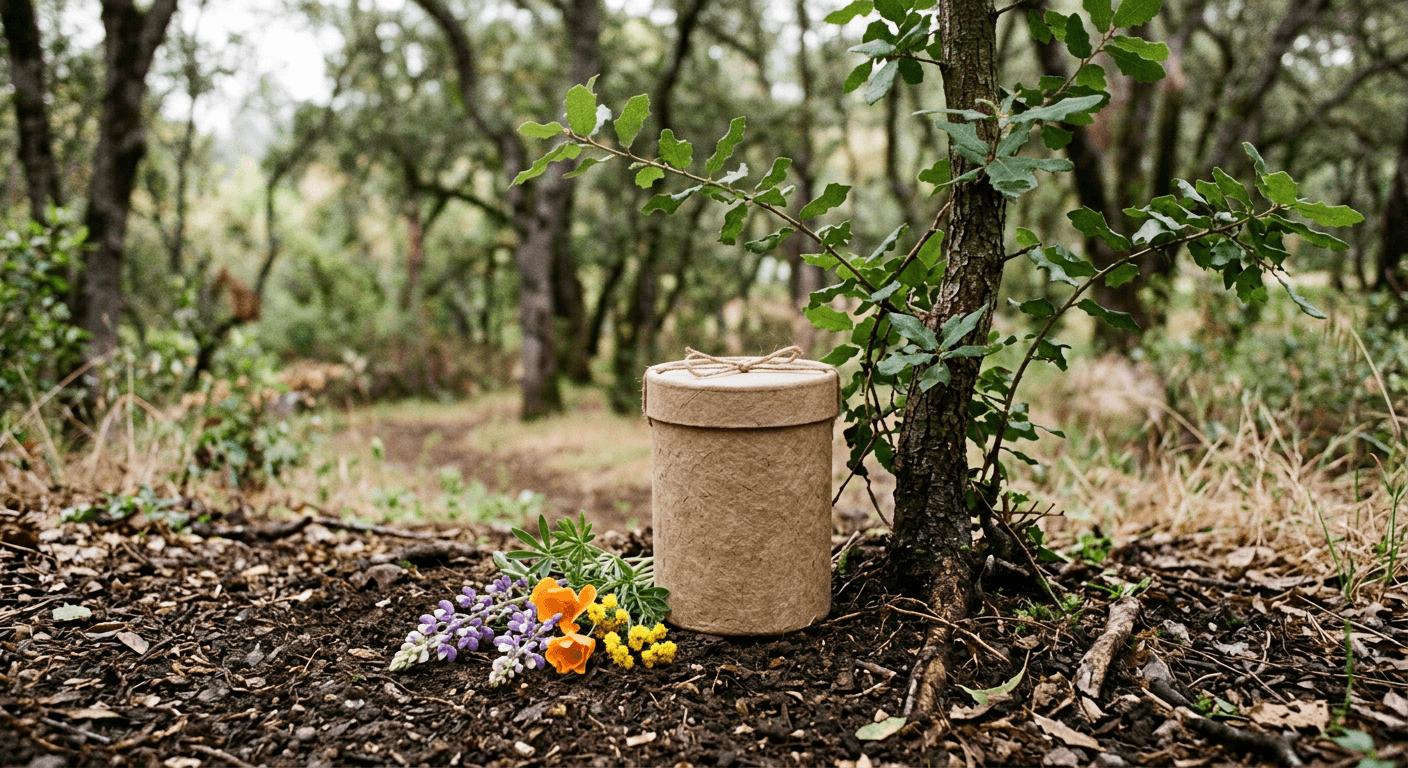
At Morgan Oaks, ashes are interred in biodegradable urns, so the urn and its contents return fully to the soil. Common materials include recycled paper, plant fibers, salt, sand, and untreated wood. Metal, stone, plastic, and sealed ceramic urns do not break down and are not used for burial at the preserve.
A Note About Ashes and Roots
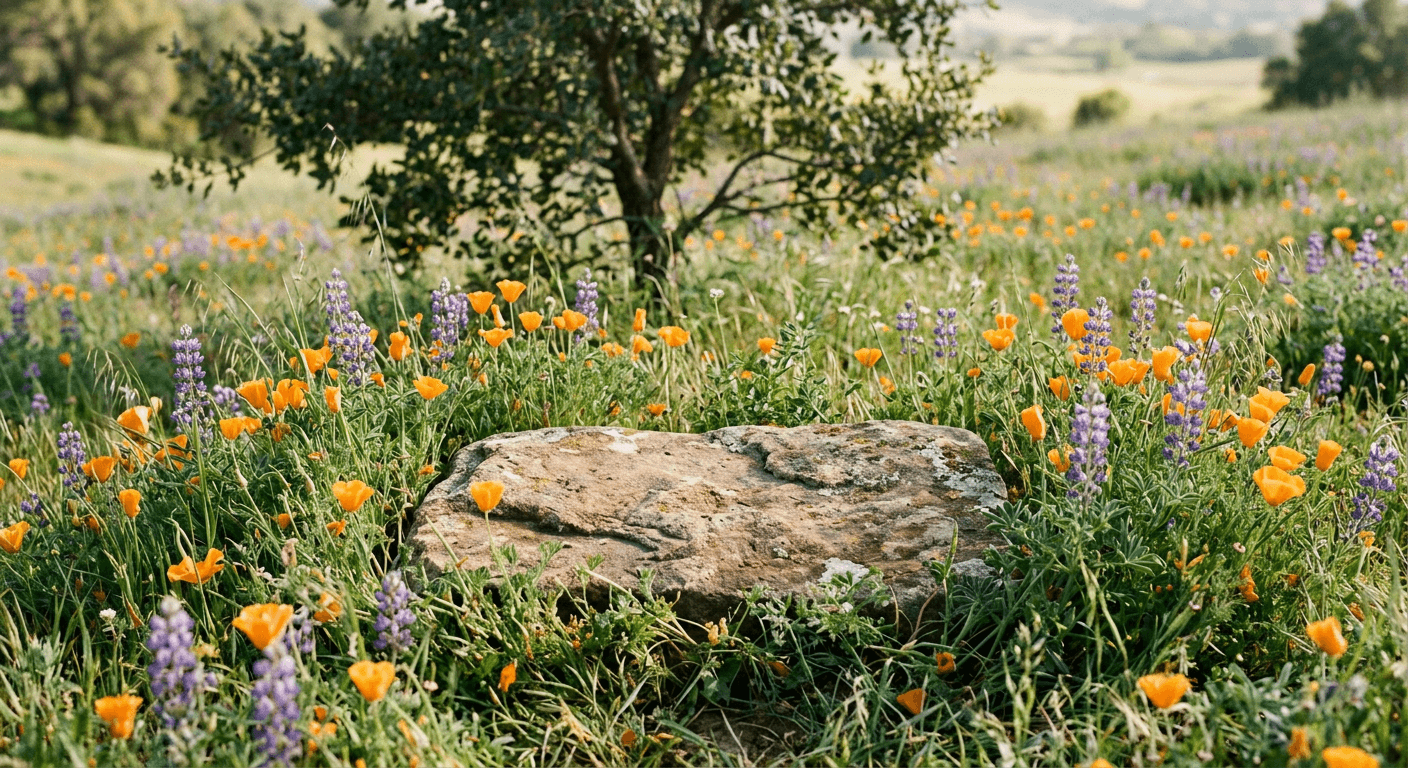
Cremated remains are mostly bone minerals and are naturally very alkaline and high in salt. Poured directly onto young roots in large amounts, they can stress a sapling. That is why placement matters. Our stewards set each urn at an appropriate distance and depth from the tree so the ashes blend gradually into the surrounding soil.
What the Day Looks Like
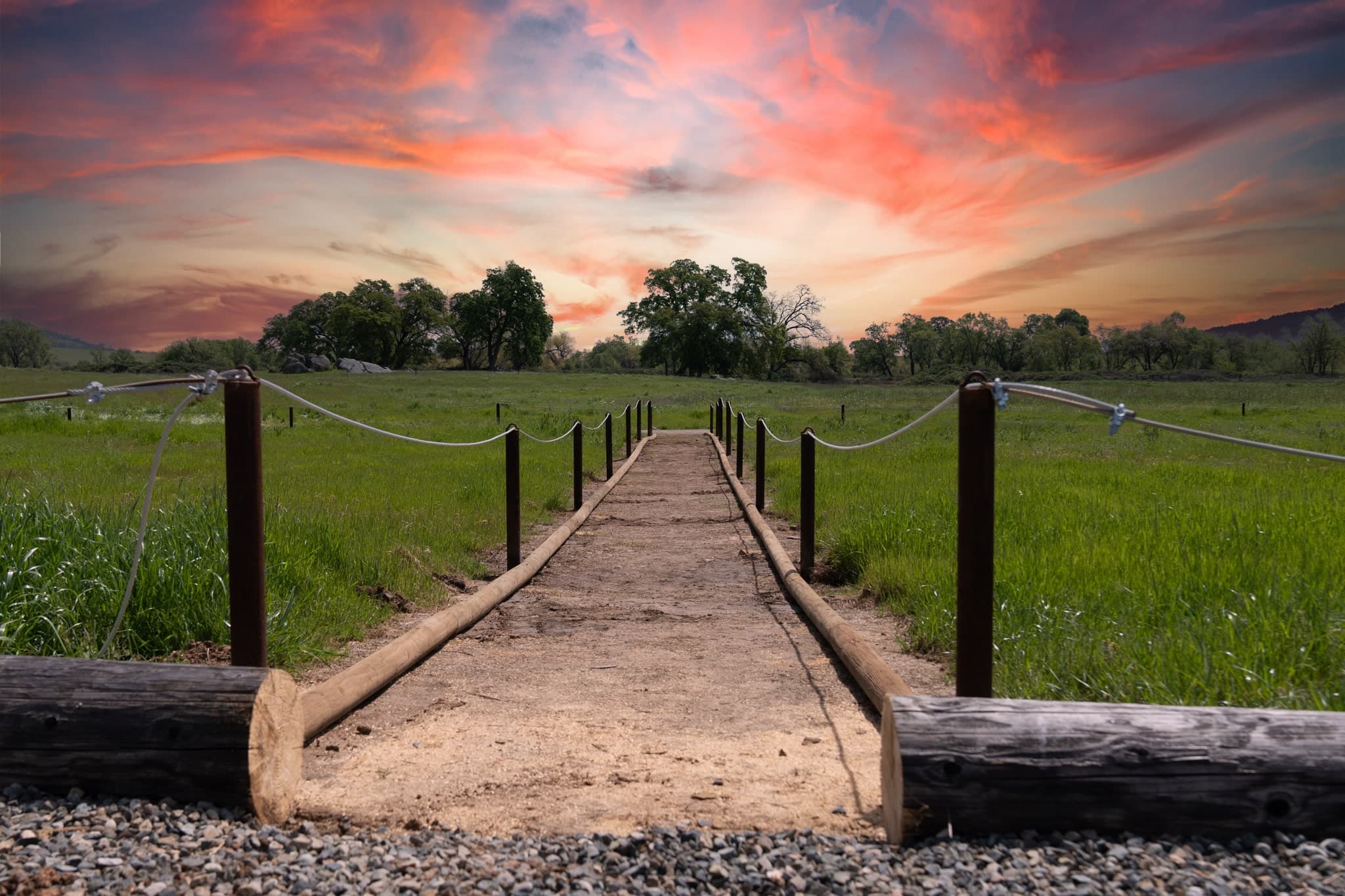
- Your family gathers at the chosen garden, often at the trailhead
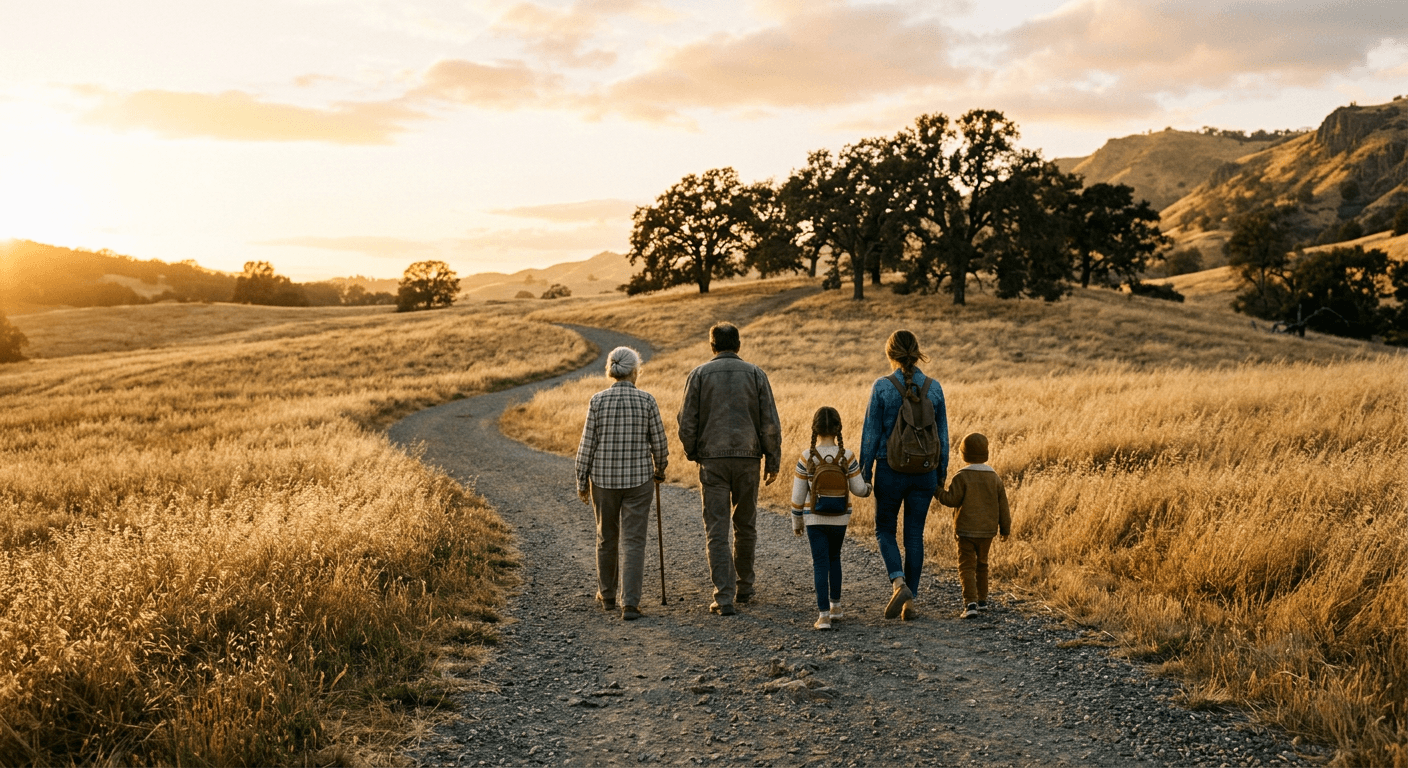
- You walk together to the site our stewards have prepared
- Readings, music, prayer, or silence, as your family wishes
- The urn is placed by hand, often by a family member
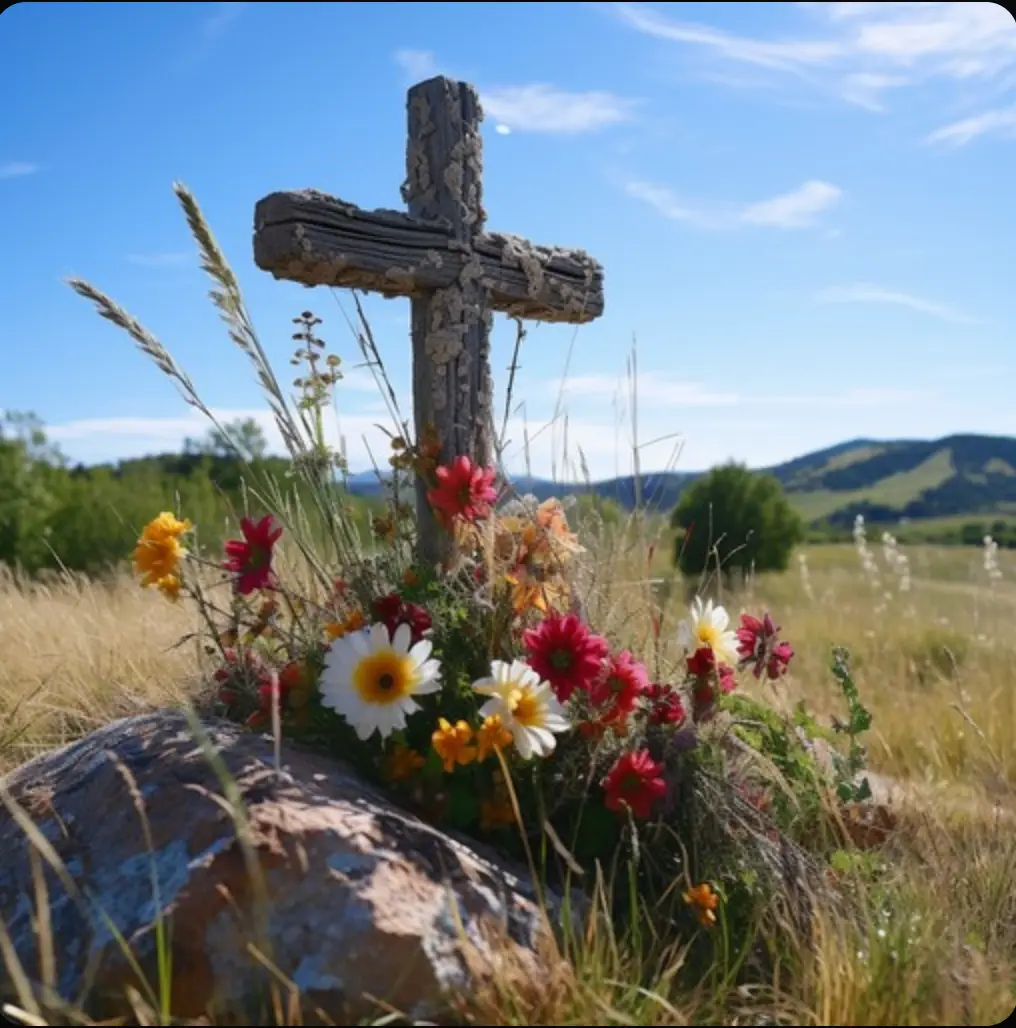
- Loved ones add soil, wildflowers, or written notes
- The tree is planted or dedicated as the living marker
It Is Never Too Late
Some families bring ashes to Morgan Oaks weeks after a death. Others come after many years. There is no deadline. If ashes are already in a permanent urn, our team can talk with you about transferring them to a biodegradable container.
Call (833) 667-4266 to ask about cremation tree burial, or visit our Tree Memorial and Cremation Burial pages.