Published · Morgan Oaks Eternal Preserve
Cremation has become the most common choice for families across the U.S. — largely because it's simpler and often cheaper than a conventional burial. But "simpler" isn't the same as…
Cremation has become the most common choice for families across the U.S. — largely because it’s simpler and often cheaper than a conventional burial. But “simpler” isn’t the same as “greener.” If you’re weighing green burial against cremation and trying to figure out which one actually aligns with your environmental values, the honest answer is: it depends on what you’re optimizing for.
This guide breaks down the real differences — environmental impact, cost, and what each option actually involves — so you can make the choice that fits your family. If you haven’t already, you may also want to read our guide to what green burial is and our step-by-step planning checklist.
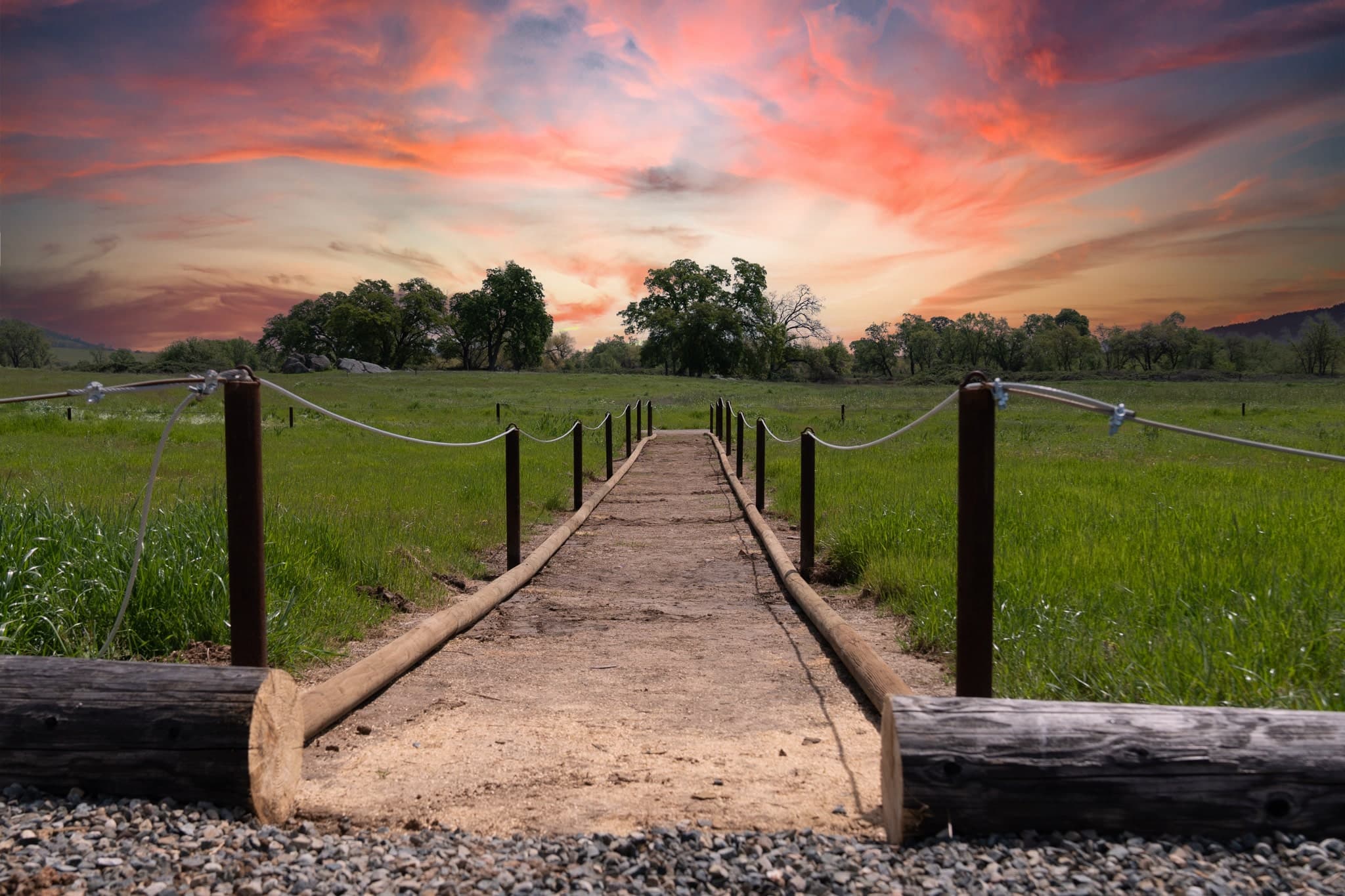
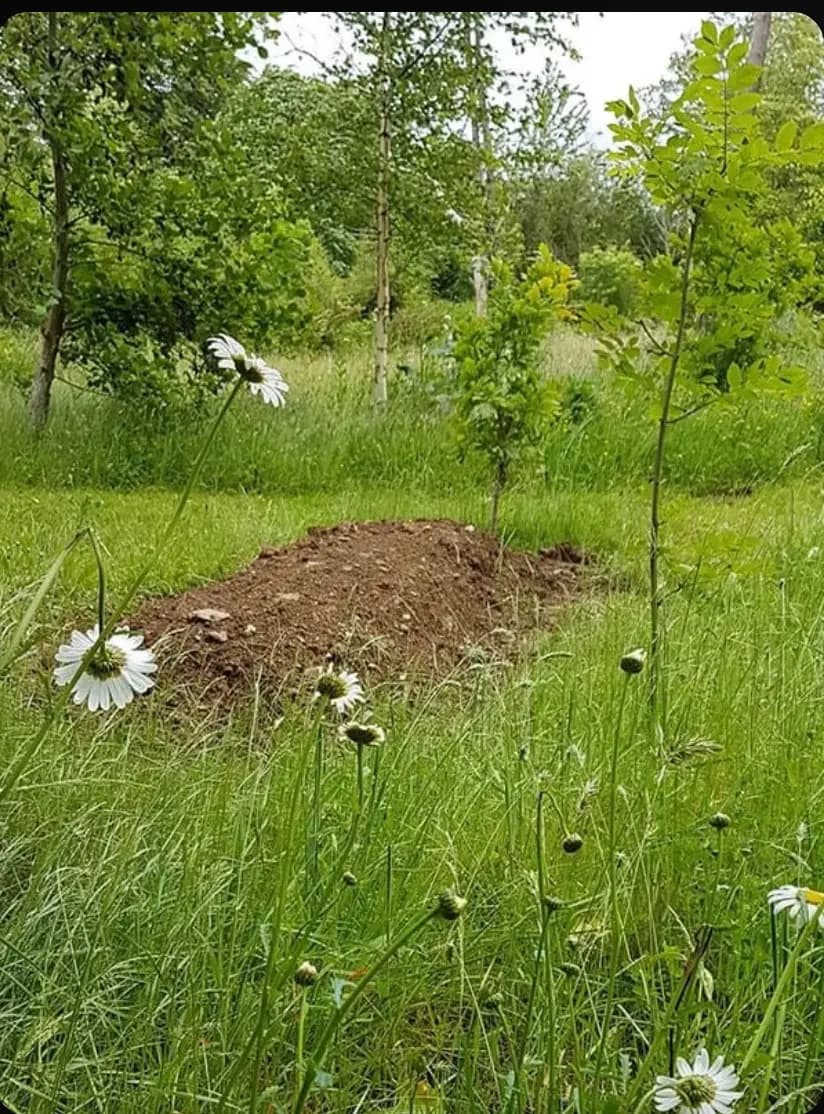
[ALT: Peaceful natural meadow representing green burial versus cremation choices] The Environmental Case for Each Cremation’s footprint:
- Uses significant natural gas or propane to reach the high temperatures needed to cremate a body
- Releases carbon dioxide and trace airborne pollutants, including mercury from dental fillings
- Requires no land, which is its biggest environmental advantage
Green burial’s footprint:
- No fossil fuel combustion involved in the burial itself
- No embalming chemicals entering the soil
- No concrete vault or metal casket manufacturing footprint
- Requires land — but that land is protected and restored, not consumed, since green burial preserves are conservation land by design
The tradeoff is fairly simple: cremation trades land use for energy use and air emissions. Green burial trades energy use for land use — but the land is being conserved, not developed, so it functions more like a donation to a nature preserve than a cost to the environment.
Side-by-Side Comparison
What About Cost?
Direct cremation is usually the least expensive end-of-life option available. Green burial typically costs less than a conventional burial with embalming, a metal casket, and a vault, but more than direct cremation with no service. For families comparing the three side by side, the rough order from least to most expensive is usually: direct cremation, green burial, then conventional burial.
What About Meaning and Ritual?
This is where the decision often comes down to personal values rather than numbers.
Families who choose cremation often value flexibility — the ability to scatter ashes somewhere meaningful, keep an urn at home, or delay a memorial service until family can gather.
Families who choose green burial often value having a physical place to visit, the symbolism of returning directly to the earth, and knowing the burial itself protects land rather than using energy to process the body.
Some families choose a hybrid: cremation followed by burial or scattering of ashes in a natural setting. It’s worth asking any green burial preserve whether they accommodate cremated remains as well as full-body burial, since policies vary by site.
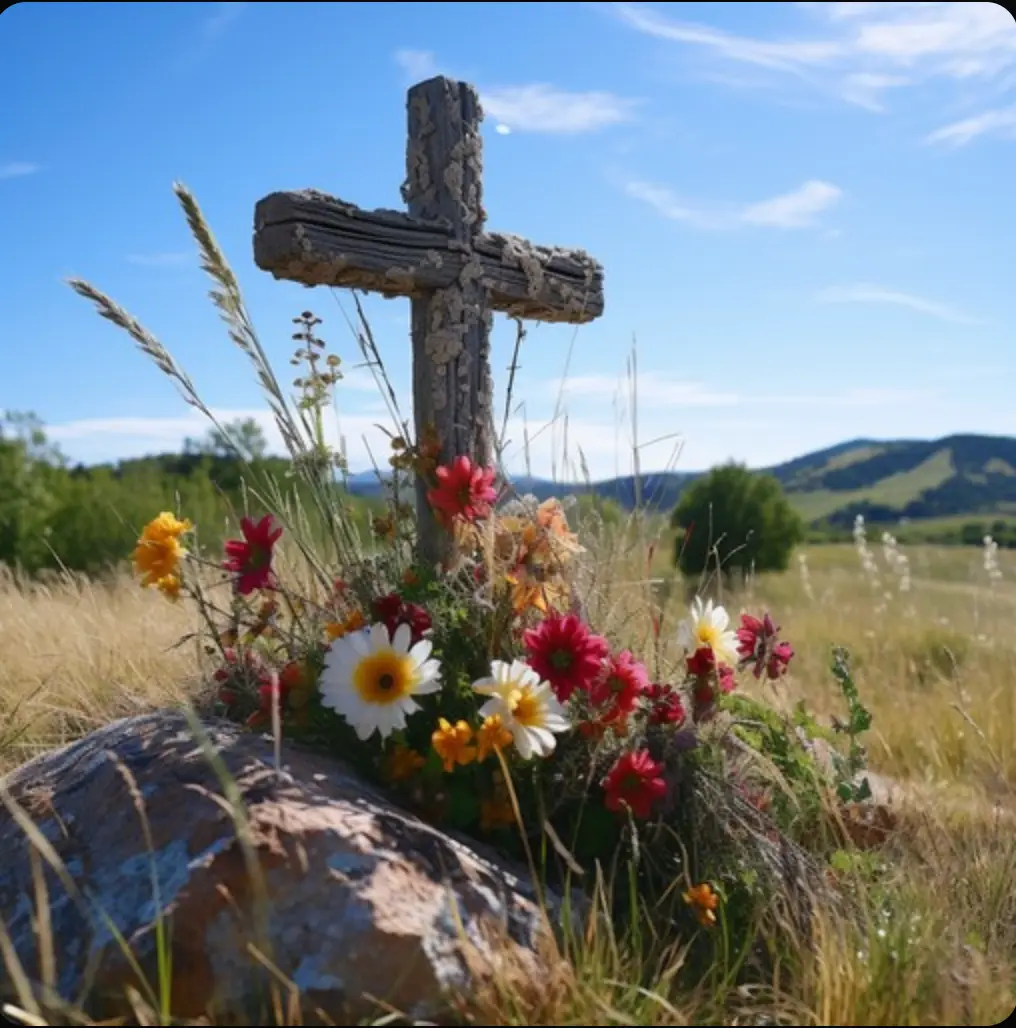
[ALT: Natural stone grave marker in a conservation burial ground] Which Is Right for Your Family? Consider green burial if you:
- Want to avoid embalming chemicals and fossil fuel combustion
- Value having a specific, physical place to visit
- Are drawn to the idea of directly supporting land conservation
- Don’t mind coordinating burial within a matter of days
Consider cremation if you:
- Want maximum flexibility in timing and memorialization
- Don’t have easy access to a green burial ground nearby
- Are working with a smaller budget for a direct, no-frills option
Frequently Asked Questions
Is green burial more environmentally friendly than cremation? In terms of energy use and emissions, yes — green burial avoids the fossil fuel combustion and airborne emissions associated with cremation. Cremation’s advantage is that it requires no land, though green burial land is conservation land rather than land removed from nature.
Can you do a green burial after cremation? Some green burial grounds accept cremated remains for burial or scattering on-site. Check directly with the preserve, since not all sites offer this option.
Is green burial cheaper than cremation? Not usually. Direct cremation with no service is typically the least expensive option overall. Green burial is generally more affordable than conventional burial but costs more than a basic cremation.
Do I have to choose between the two immediately? No. Many families pre-plan and can change their minds later. If you’re still deciding, ask a green burial provider about their policies for both options so you’re not locked in prematurely.
Still Deciding? Let’s Talk It Through
Morgan Oaks Eternal Preserve can help you weigh green burial against other options honestly, with no pressure either way.
Morgan Oaks Eternal Preserve 421 Fleming Rd, Lincoln, CA 95648 (833) 667-4266
Call with your questions — including ones about cremation, cost, or whether green burial is the right fit for your family.