Published · Morgan Oaks Eternal Preserve
When someone we love dies, we're asked to make a lot of decisions in a very short amount of time — often while still in shock, still grieving, still trying to catch our breath. It's easy…
When someone we love dies, we’re asked to make a lot of decisions in a very short amount of time — often while still in shock, still grieving, still trying to catch our breath. It’s easy to default to what’s familiar: a metal casket, a concrete vault, a manicured lawn. But more and more families are pausing to ask a different question — is there a gentler way to do this? One that honors the person we lost, and the earth they’re returning to?
That’s the idea behind green burial.
What Is Green Burial, Really?
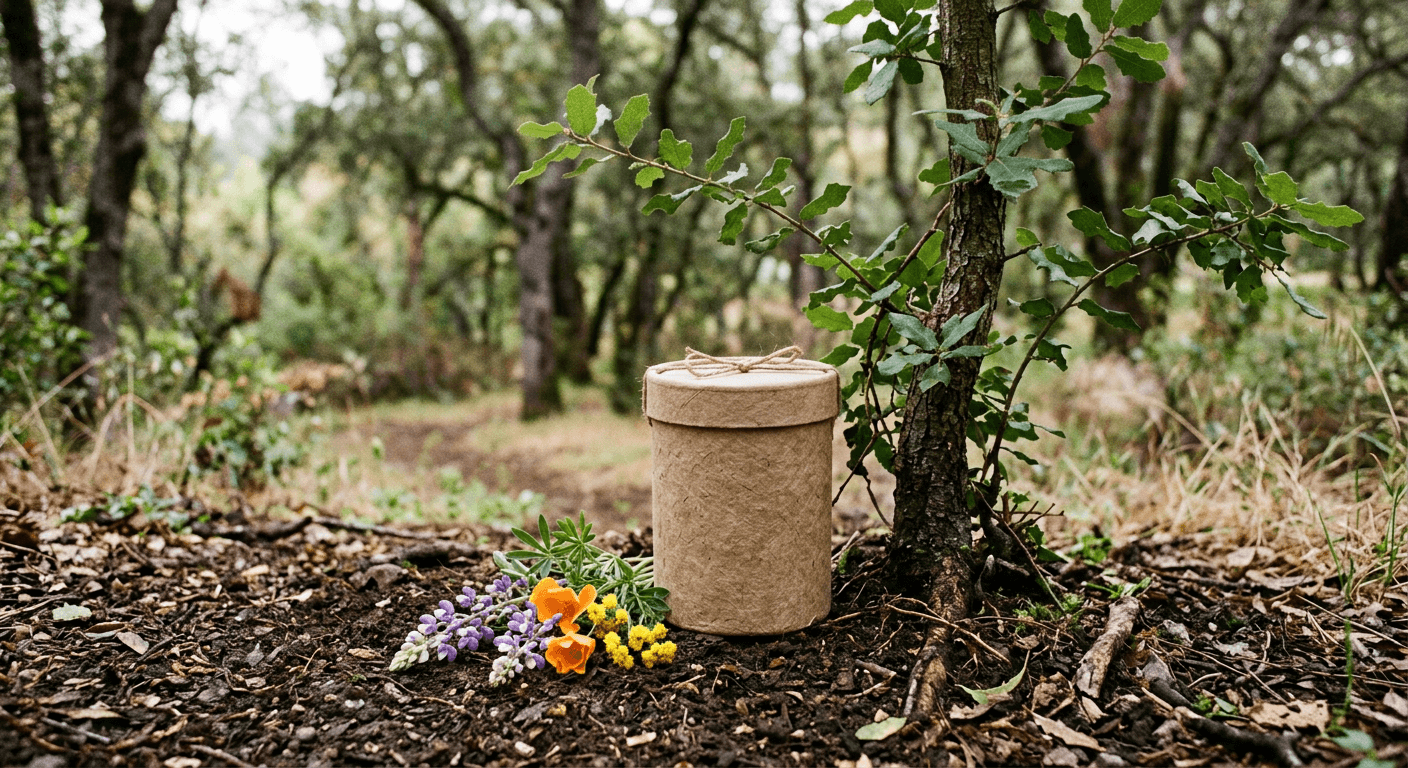
Green burial is, in many ways, the oldest way humans have ever laid their dead to rest. It simply allows a body to return to the earth naturally — without embalming chemicals, without a sealed metal casket, without a concrete vault standing between the body and the soil.
Instead, a body is prepared without chemical preservatives and placed in something biodegradable — a simple untreated wood coffin or a cloth shroud — and lowered directly into the ground. No barriers. No toxins. Just a natural, unhurried return to the cycle every living thing eventually joins.
It’s new to modern American funeral culture, but it’s aligned with rites and traditions far older than the funeral industry itself.
Why Families Are Choosing It
It’s better for the earth. Conventional cemeteries bury an enormous amount of steel, copper, and hardwood every year, along with concrete vaults and embalming fluid that can leach into surrounding soil and groundwater. Green burial eliminates nearly all of that. Bodies laid to rest in biodegradable materials, in healthy soil, decompose naturally and become part of the ecosystem — nourishing the same land that holds them.
It avoids embalming chemicals. Traditional embalming relies heavily on formaldehyde, a recognized carcinogen that has been linked to elevated health risks for those who work with it regularly. Green burial doesn’t require it. Keeping a body cool is usually all that’s needed in the time before burial — no chemical intervention necessary.
It preserves land, rather than developing it. Green burial grounds are intentionally kept wild and natural. Burial density is kept low — often just a few hundred burials per acre, compared to nearly a thousand per acre at many conventional cemeteries — so the land stays a living landscape rather than a manicured, chemically maintained lawn. Every burial becomes an act of conservation.
It often costs less. Without the expense of an elaborate casket, a concrete vault, or embalming services, green burial tends to be more affordable than conventional options — though costs still vary depending on the service, location, and materials a family chooses.
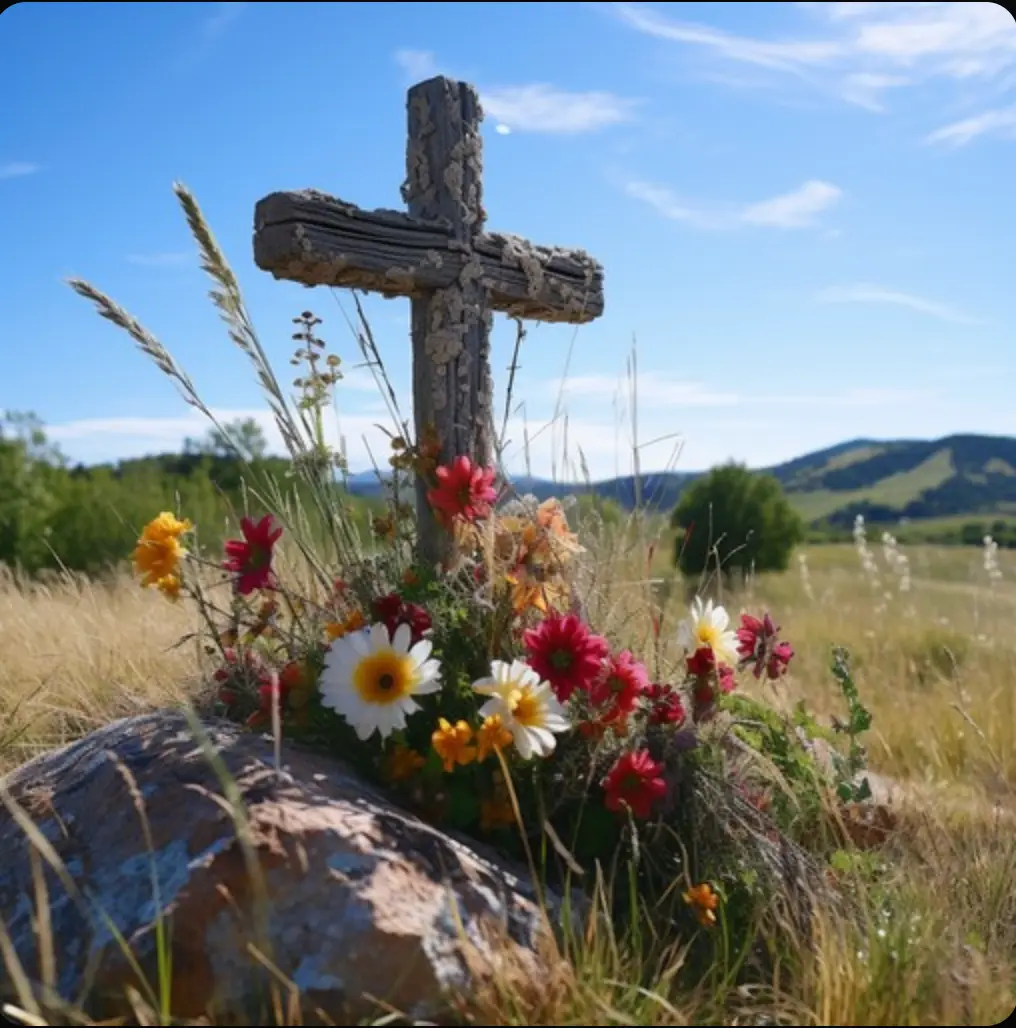
It offers a different kind of comfort. There’s something quietly healing about knowing a loved one is resting in undisturbed, protected land — not a chemically treated field, but a real, breathing ecosystem that will carry on. For many families, that connection between life and land makes grief feel a little less final.
Common Questions Families Ask
Will it pollute the soil or groundwater? Research points the other direction — conventional cemeteries are more likely to introduce toxic metals and chemical contamination into soil, largely from casket materials, fasteners, and preservatives. Bodies buried in biodegradable materials, in appropriate soil and away from floodplains or shallow water tables, decompose safely, with any bacteria or viruses present remaining localized and short-lived.
What about a funeral service? Green burial doesn’t limit how you can honor a life. Services can still take place at a place of worship, a funeral home, someone’s home, or right at the burial site — whatever feels most true to the person being remembered.
How do I know a casket or shroud qualifies? Look for materials that are nontoxic and readily biodegradable, and not sourced in ways that damage habitats. The Green Burial Council maintains a list of approved providers, and most green burial grounds can point you toward local, appropriate options.
A Living Legacy
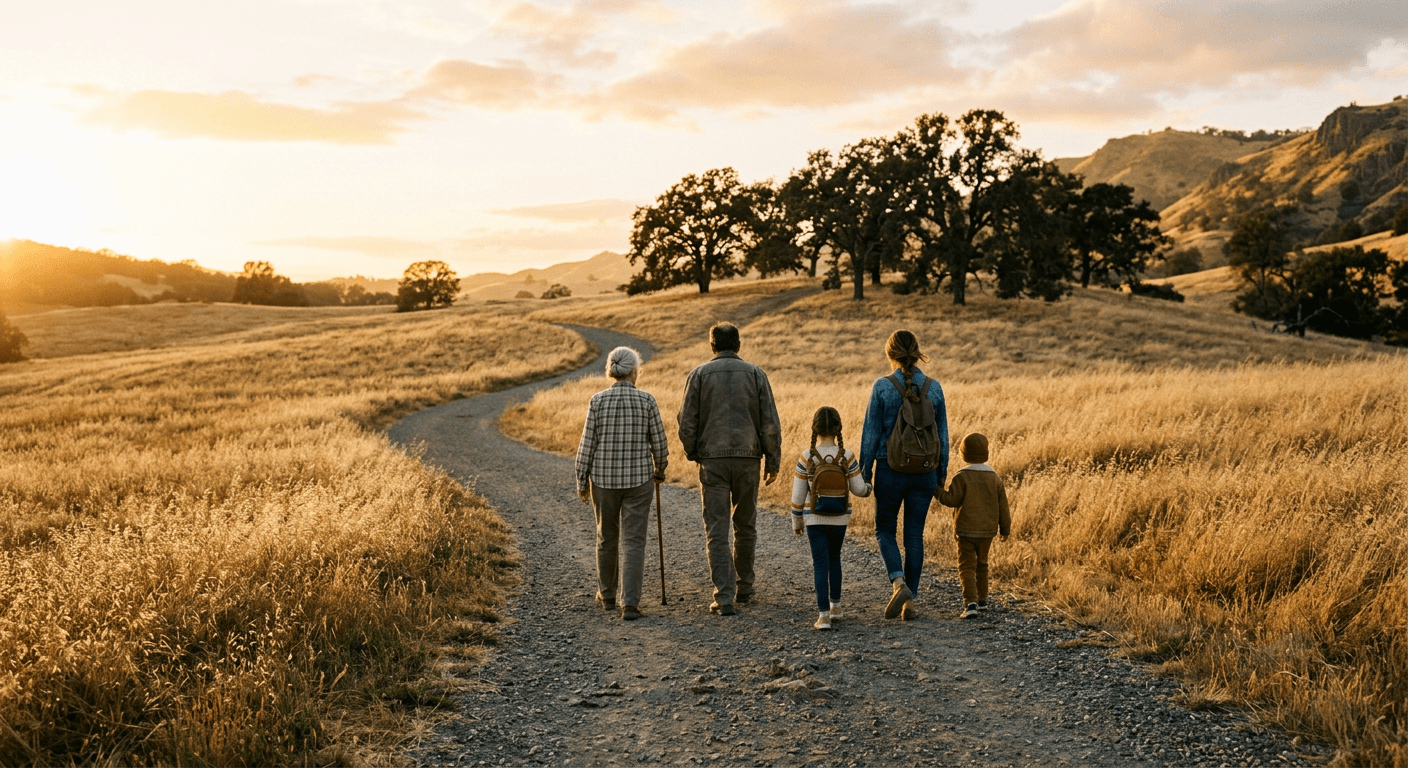
Green burial asks us to see death not as separate from life, but woven into it — a return, not an ending. It turns a burial ground into a place of restoration rather than upkeep, and a grave into something that gives back to the land instead of sitting apart from it.
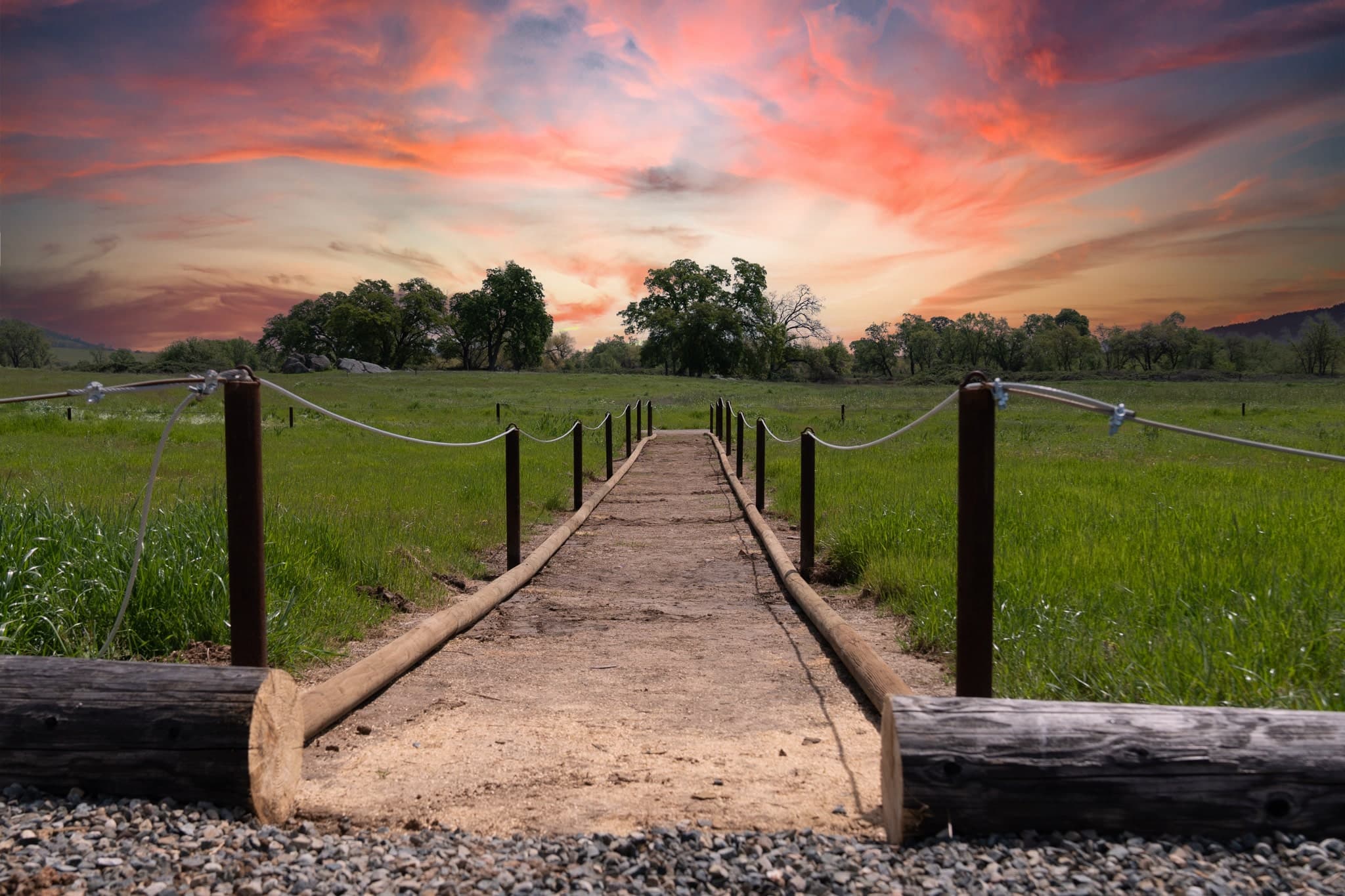
At Morgan Oaks Eternal Preserve in Placer County, California, that’s exactly the vision: natural, meaningful memorial landscapes shaped by land conservation and stewardship, where families can lay loved ones to rest in a setting that stays wild, protected, and alive. With a team that brings over 30 years of land conservation experience, Morgan Oaks walks alongside families through every step of the process — with care, patience, and a deep respect for what this moment means.
If you’d like to learn more or see the grounds for yourself, you can request a tour or reach the Morgan Oaks team at (833) 667-4266.
421 Fleming Rd, Lincoln, CA 95648