Published · Morgan Oaks Eternal Preserve
There's a quiet revolution happening in the way we say goodbye. After generations of embalming fluids, metal caskets, and concrete vaults, more families are choosing something softer — a…
There’s a quiet revolution happening in the way we say goodbye. After generations of embalming fluids, metal caskets, and concrete vaults, more families are choosing something softer — a return to the earth that heals rather than harms.
Two options lead that movement: human composting and green burial. If you’re trying to decide between them, you’re in thoughtful company. Both are rooted in the same beautiful idea — that our last act on this earth can give something back to it. Below, we’ll walk through how each one works, what they cost, what they ask of the planet, and what they ask of your family.
We’ll be honest about both, including where each one shines.
What Is Green Burial?
Green burial is, in many ways, the oldest way of all — the way humanity laid its loved ones to rest for thousands of years before modern funeral practices.
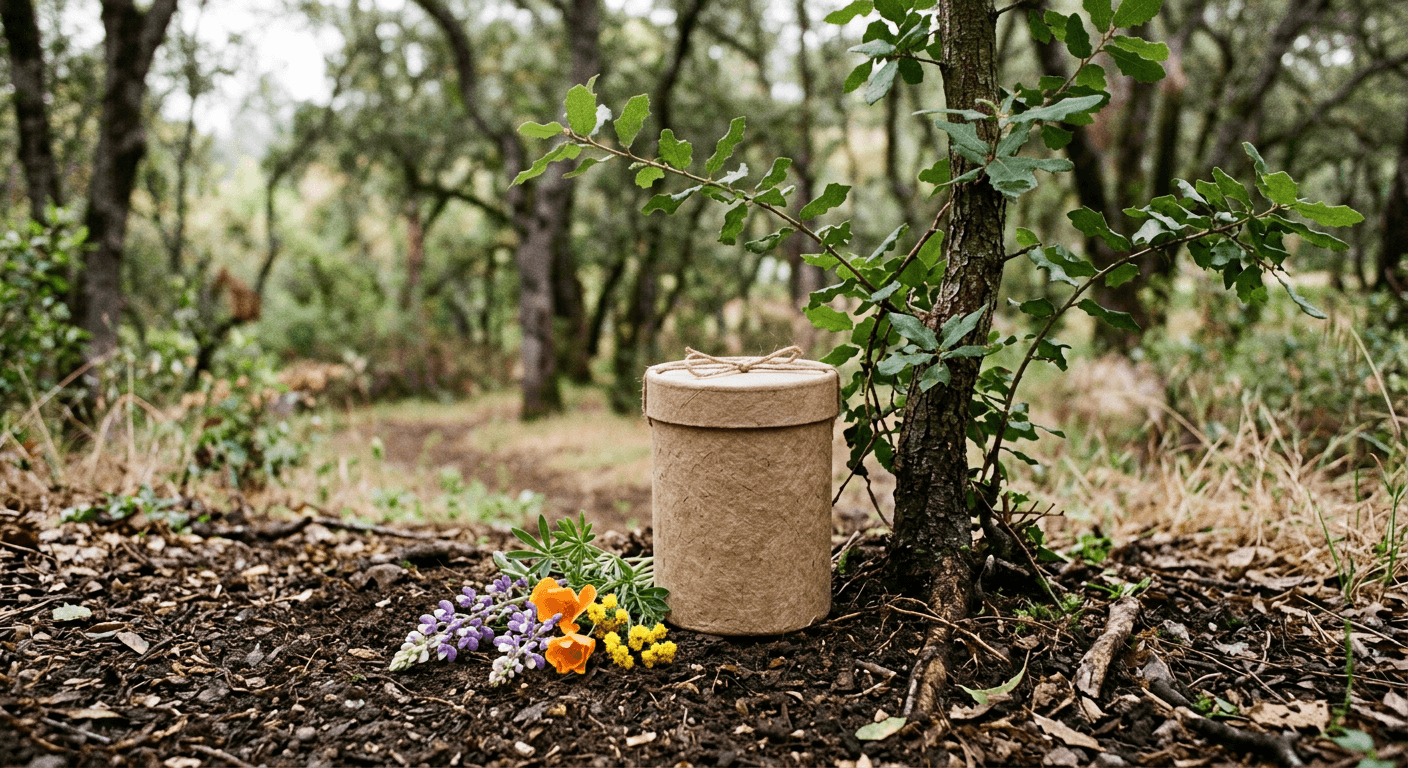
A body is placed in a biodegradable casket of untreated wood, or simply wrapped in a natural-fiber shroud. There is no embalming, no metal, no concrete vault sealing the body away from the soil. The grave is dug at a depth where living soil — its microbes, roots, and small creatures — can do its ancient work. Over time, the body returns to the earth completely and naturally, nourishing the ecosystem around it.
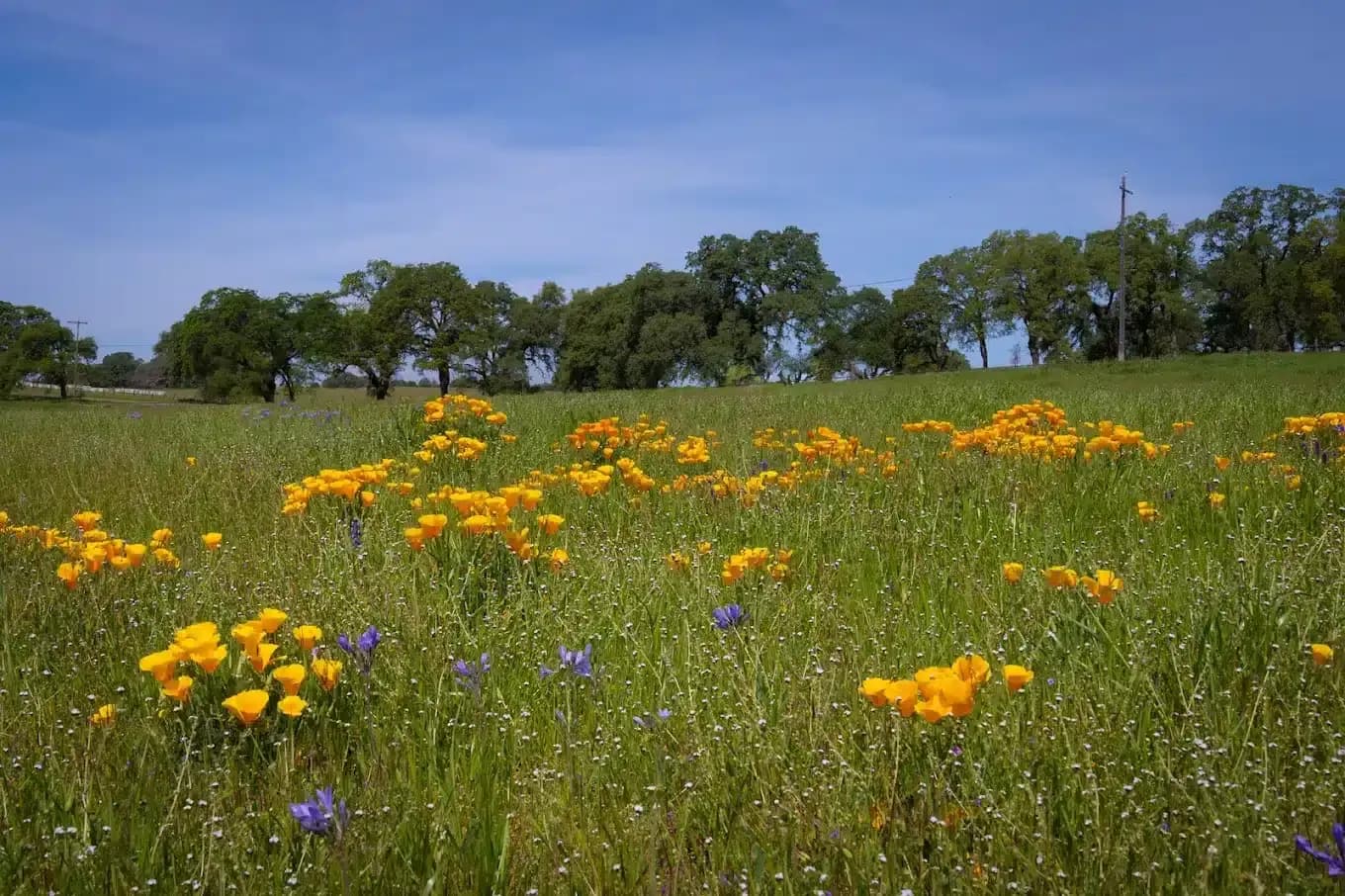
At a conservation preserve like Morgan Oaks, green burial does something more: the land itself is protected and restored. Burial density is kept low — a few hundred resting places per acre, compared to nearly a thousand in a conventional cemetery — so the ground remains a true living landscape of native plants and wildlife. Your loved one doesn’t just return to nature. They help preserve it.
What Is Human Composting?
Human composting — known formally as natural organic reduction (NOR), and sometimes as terramation or soil transformation — speeds up and contains that same natural return.
The body is placed in a vessel along with plant materials such as wood chips, straw, and alfalfa. Naturally occurring microbes break everything down over roughly 30 to 90 days, with the vessel warming to around 150°F and being aerated and turned to support the process. Afterward, the material cures for several more weeks. Any non-organic items, such as surgical implants, are removed and recycled.
The result is about one cubic yard of nutrient-rich soil — enough to fill the bed of a pickup truck. Families may take all or part of it home to nourish a garden or plant a tree, and donate the remainder to land-restoration projects.
It’s a moving idea: a loved one becoming soil that grows new life. The science is sound and the spirit is lovely.
Side-by-Side: How They CompareThe Resting Place
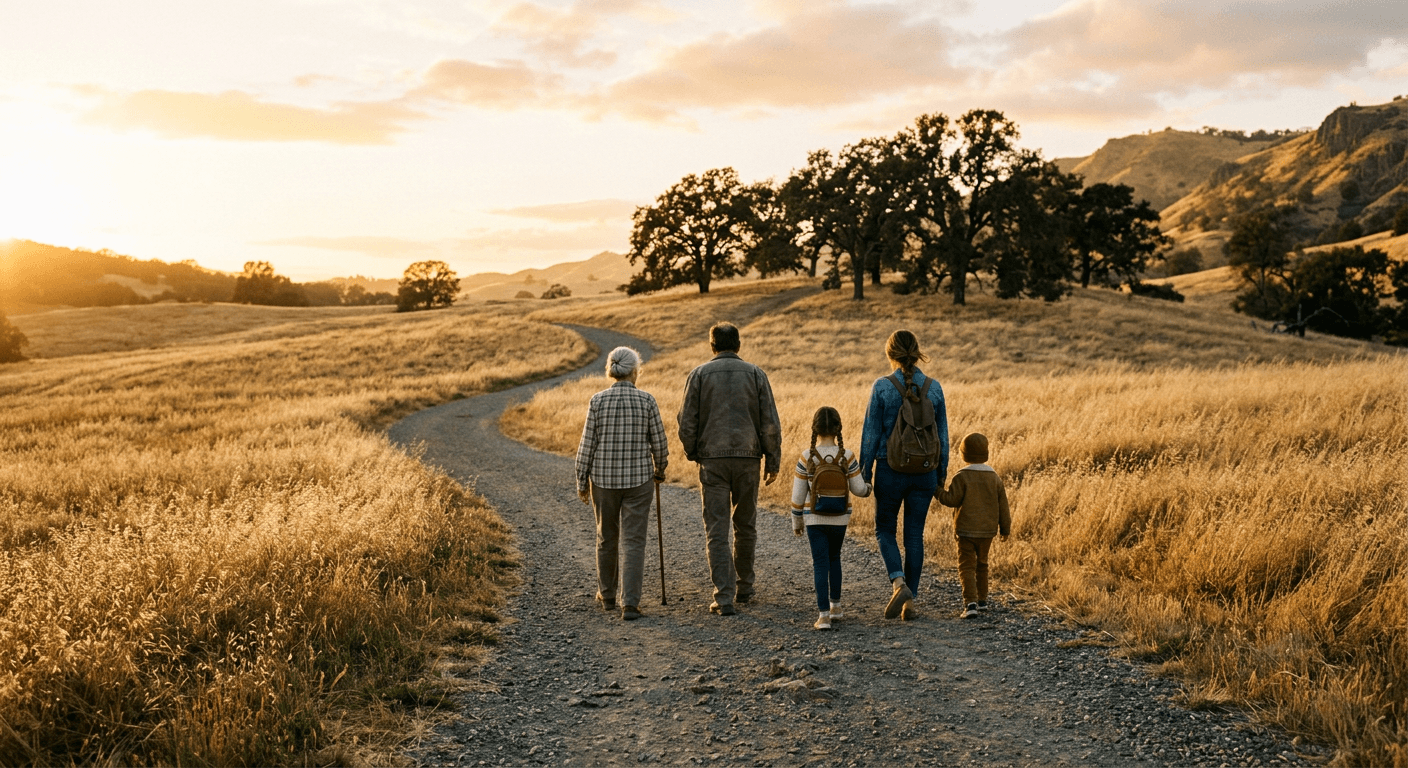
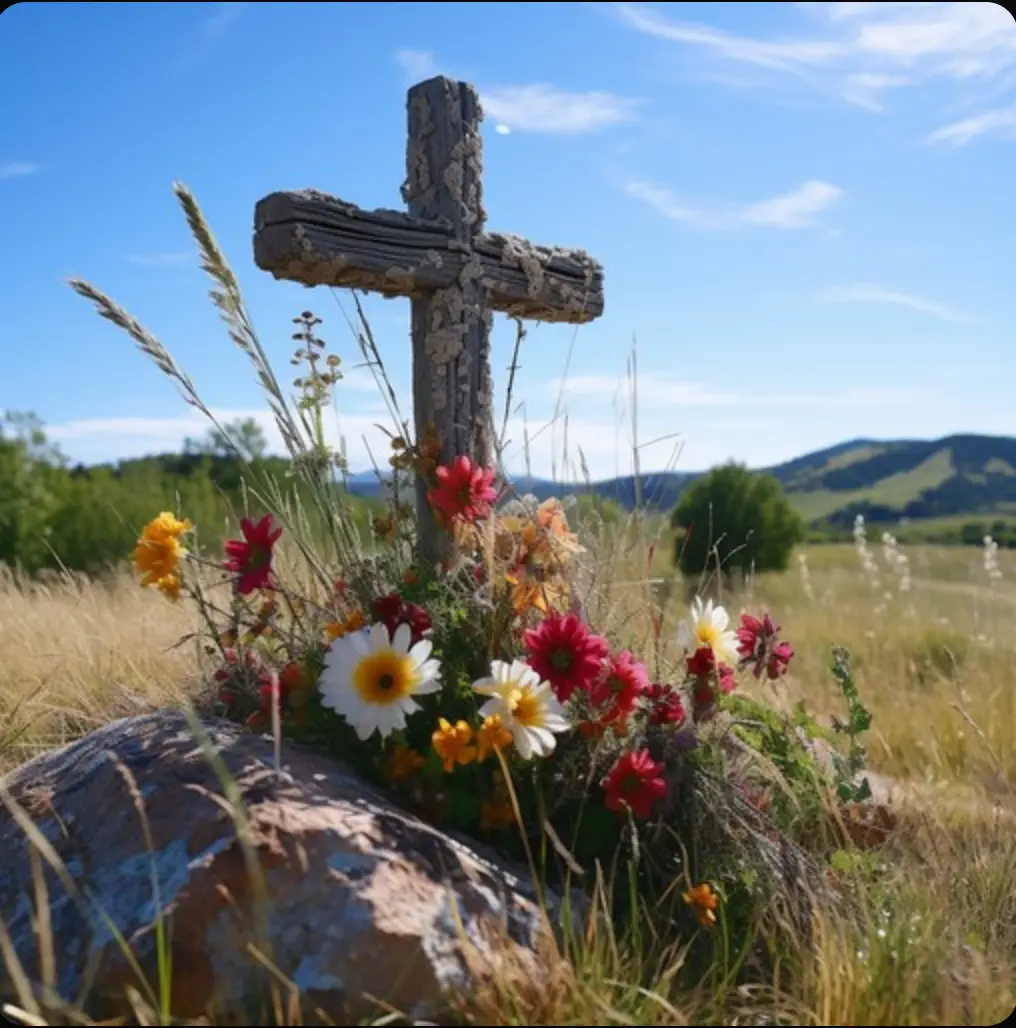
Green burial gives your family a permanent, physical place to return to — a specific spot on protected land, beneath open sky, that will be cared for and conserved in perpetuity. For many families, having somewhere to walk, sit, and remember is deeply comforting.
Human composting gives your family soil rather than a gravesite. That soil can be spread somewhere meaningful or used to grow something living — but unless your family owns suitable land, there may not be a single permanent “place” to visit in the traditional sense. Some families love this freedom; others miss having an anchored spot.
The Process and Timeline
Green burial follows the natural rhythm of a funeral. Your loved one can be laid to rest within days, in a ceremony at your place of worship, a funeral home, your home, or right here on the preserve.
Human composting takes two to three months from start to finished soil. Families often hold a “laying-in” ceremony at the beginning, then receive the soil weeks later — a different rhythm of grief and closure.
Environmental Impact
Both options are far gentler on the planet than conventional burial or cremation. Both avoid embalming chemicals like formaldehyde, which can leach into soil and groundwater. Both avoid cremation’s emissions — roughly 535 pounds of carbon dioxide per person, comparable to a 600-mile car trip.
The honest nuance: human composting is an active process that uses energy to aerate, heat, and turn the vessel, and — for California families today — requires transporting a body out of state and shipping soil back, which carries its own carbon cost. Green burial at a conservation preserve uses almost no energy at all and permanently protects living land in the bargain. Both are excellent ecological choices; green burial’s footprint is simply quieter.
Cost
Human composting typically runs about $5,000 to $7,000 for the service itself. For California families, out-of-state transportation adds meaningfully to that — often several thousand dollars more once transport and shipping are included.
Green burial eliminates the biggest expenses of conventional funerals — ornate caskets, metal vaults, and embalming. Costs vary with the memorial service and materials you choose, and the price of a plot supports the ongoing conservation and restoration of the land. For many families it is the more affordable path, especially when no long-distance transport is involved. (Contact us for current Morgan Oaks pricing.)
Availability in California — The Deciding Factor for Many
This is where the comparison becomes practical.
Green burial is available right now, locally, at Morgan Oaks in Placer County.
Human composting, while legal in California, is not yet operating in the state. AB 351 made it lawful, but the first in-state facilities aren’t expected to open until 2027 at the earliest — and, given local permitting, possibly 2028 or 2029. Until then, a California family choosing composting must arrange to send their loved one out of state and have the soil returned. Some California counties are also beginning to debate where composted soil may ultimately be placed, adding a layer of uncertainty.
For a family that wants to keep their loved one close to home, and to act soon, this difference matters a great deal.
So, Which One Is Right for You?
There’s no wrong answer here — only the answer that’s right for your family.
You may lean toward green burial if you want a permanent, peaceful place to visit; you’d like everything to happen close to home and within the natural timeline of a funeral; you value conserving living land; and you’d prefer to keep costs and logistics simple.
You may lean toward human composting if the image of becoming garden soil resonates deeply with you; you have a meaningful place or project to receive the soil; and you’re comfortable with the longer timeline and, for now, the out-of-state logistics.
Many families find that once they understand both paths clearly, one simply feels like home.
Let Us Help You Decide
You don’t have to navigate this alone. The caring team at Morgan Oaks Eternal Preserve has spent more than 30 years in land conservation, and we’ll walk you through every option — composting included — with patience and honesty.
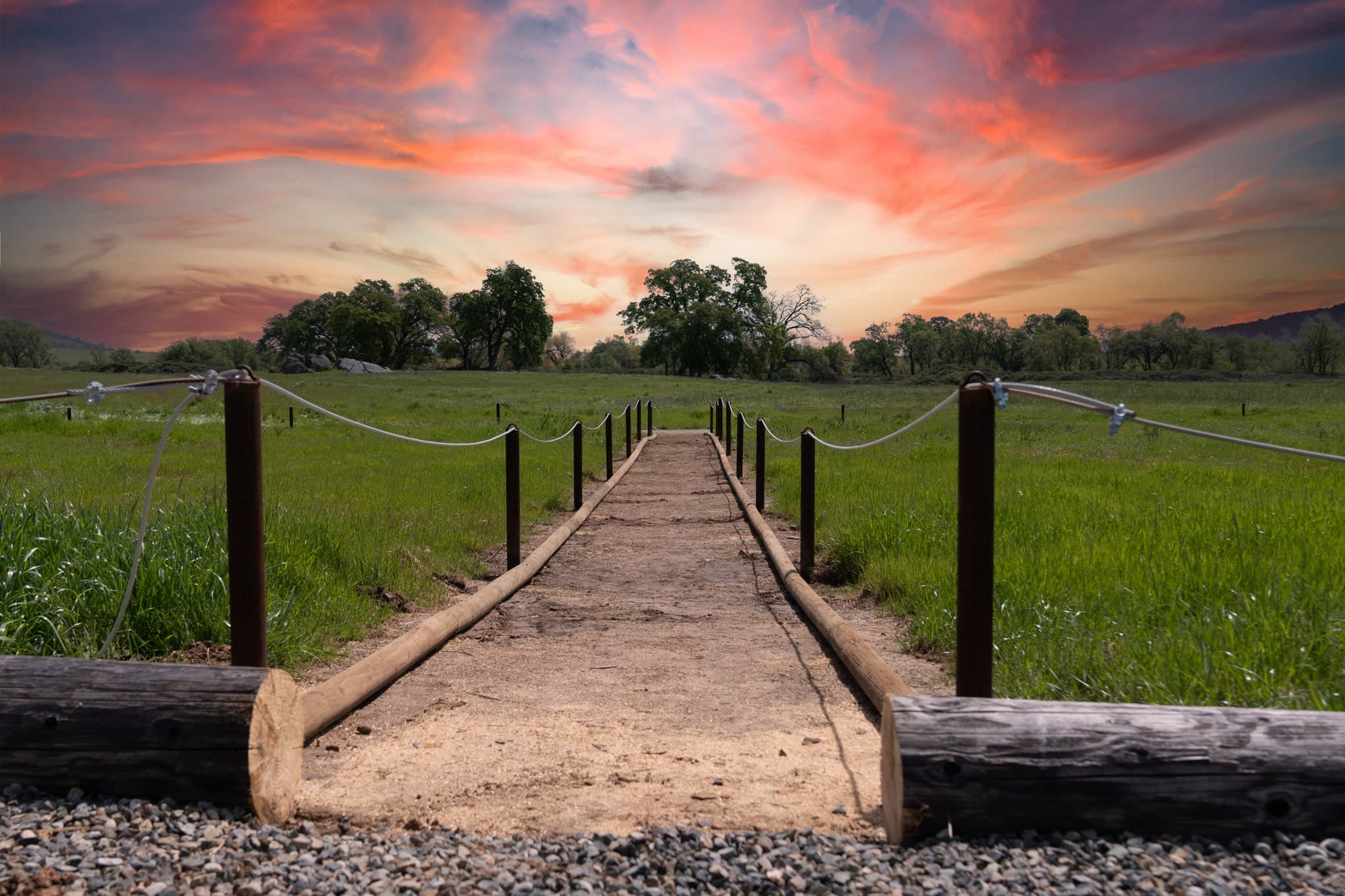
Come see the land for yourself. Sometimes a decision that feels heavy on paper becomes clear the moment you stand among the oaks.
Request a tour, or call us at (833) 667-4266.
Morgan Oaks Eternal Preserve · 421 Fleming Rd, Lincoln, CA 95648 · Placer County, California