Published · Morgan Oaks Eternal Preserve
Nearly every major faith has teachings about humility in death, respect for the body, and our connection to the earth. Green burial echoes several of these themes: Simplicity. A plain…
Nearly every major faith has teachings about humility in death, respect for the body, and our connection to the earth. Green burial echoes several of these themes:
- Simplicity. A plain wooden casket or a cloth shroud reflects the idea that we are all equal at the end of life.
- Return to the earth. Many traditions describe humanity as coming from the earth and returning to it.
- Stewardship. Caring for creation is a spiritual value in many faiths. A burial that protects land and avoids toxic materials can be an extension of that care.
- Reverence for the body. Natural burial keeps the focus on gentle, hands-on, respectful care for the person who has died.
How Green Burial Can Look Across Different Faiths
Every tradition, and every congregation within it, is different. Please treat the following as a starting point rather than a rule, and talk with your own spiritual leader about your family’s practices.
Christian Families
Many Christians find that the language of “dust to dust” and the themes of resurrection, renewal, and care for creation fit naturally with a natural burial. Practices vary widely by denomination, so a conversation with your pastor, priest, or minister is a good first step. A funeral Mass, a church service, or a graveside committal can all be paired with a green burial.
Jewish Families
Traditional Jewish practice emphasizes simplicity, prompt burial, ritual washing, plain burial garments, and avoiding embalming. Many of these customs overlap closely with green burial. Some Jewish cemeteries have their own requirements, so it’s worth confirming details with your rabbi or your community’s burial society.
Muslim Families
Islamic tradition commonly emphasizes quick burial, ritual washing, a simple shroud, and communal prayer. A shroud burial in natural ground can align well with these practices. Your imam can guide you on specifics such as timing and positioning, and a cemetery that welcomes your traditions will work with you to honor them.
Hindu, Buddhist, and Other Traditions
Some traditions prefer cremation. Even then, a cremation burial or a tree memorial can offer a peaceful, earth-honoring place for remembrance, and families often find comfort in having a living, natural setting to visit.
Spiritual but Not Religious
Many families don’t follow a formal tradition but want a farewell rooted in nature, love, and meaning. Green burial leaves plenty of room for that, whether through readings, music, shared stories, or a quiet moment among the trees.
You Can Still Have the Service You Want
One of the most common worries is that green burial means giving up traditional ceremonies. It doesn’t. A green burial can be paired with almost any kind of service, at your place of worship, a funeral home, a family home, or at the burial site itself.
That might include:
- A funeral or memorial service at your church, synagogue, mosque, or temple before the burial
- Scripture readings, prayers, or blessings at the graveside
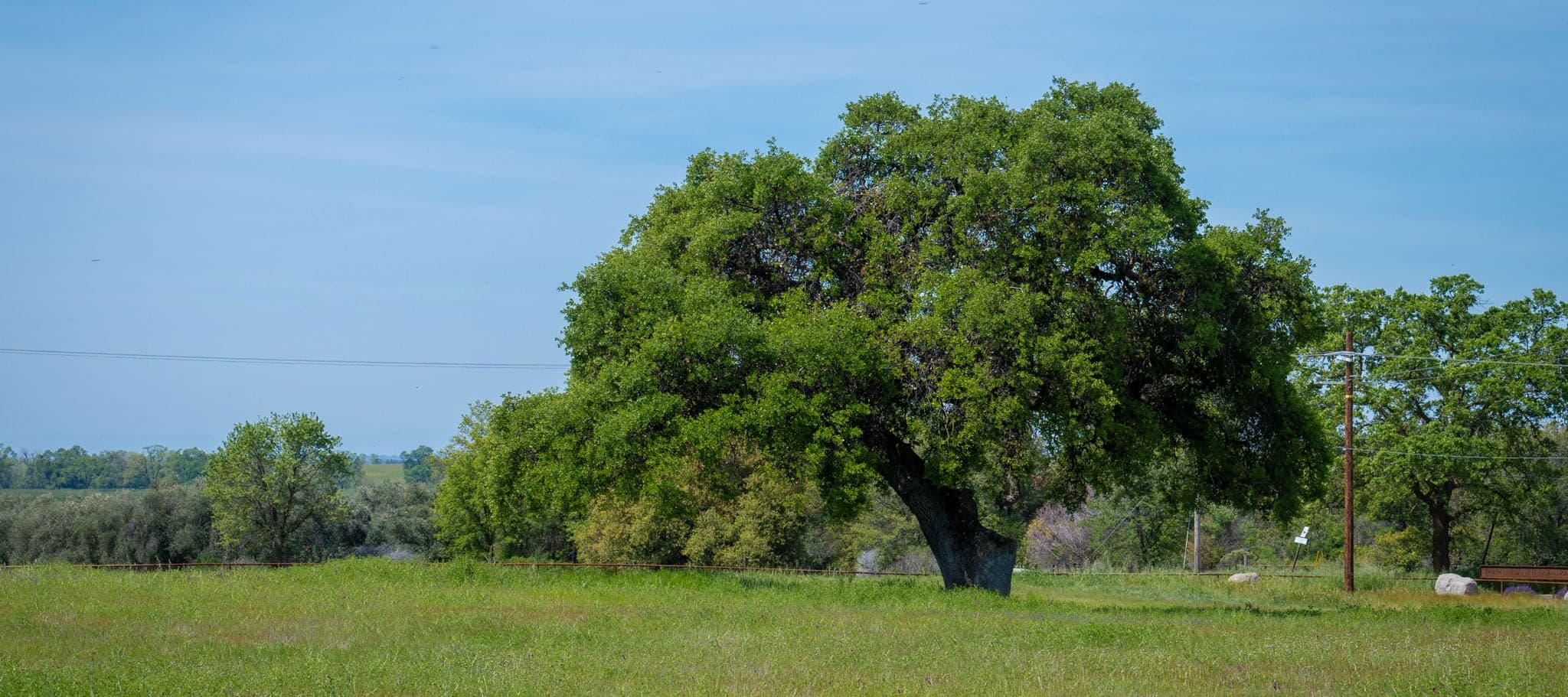
- Music, poetry, or family stories shared under the oaks
- Family and friends taking part in the committal if that is meaningful to them
What Green Burial Asks of Families
A few practical points are worth knowing up front. Green burial generally means:
- No embalming. If your tradition expects a viewing, ask your funeral home about keeping the body cold as an alternative.
- A biodegradable container. This is typically an untreated wood casket or a natural-fiber shroud, with no sealed outer vault, so the body can return to the soil.
- Natural markers. Rather than upright monuments, many natural cemeteries use flush markers or other low-impact memorials so the landscape stays open and wild.
If your tradition has specific requirements for timing, washing, or garments, tell your cemetery and funeral home early so they can plan around them. You may also want to read our guide on choosing between a shroud and a casket.
Questions to Bring to Your Clergy and Your Cemetery
Starting the conversation early makes everything easier. Consider asking:
- Does our tradition have guidance on burial materials, timing, or preparation of the body?
- Can our faith leader officiate at a natural burial site?
- Are there rituals we’d like to include, such as prayers, washing, or a family-led committal?
- Will the cemetery and funeral home accommodate those rituals?
- How do we document our wishes so our family doesn’t have to guess?
Making Your Wishes Known
If faith shapes how you want to be remembered, write it down. Share your wishes with your family and your spiritual leader, and keep a copy with your other important papers. Pre-planning lifts a heavy weight from loved ones during a difficult week, and it lets you decide how your beliefs and values show up in your final arrangements. Our Pre-Planning Guide is a good place to begin.
Frequently Asked Questions
Is green burial allowed in my religion?
Many traditions have burial customs that already resemble green burial, but practices vary by denomination and community. Your faith leader is the best source for guidance on your specific tradition.
Can we still hold a funeral at our place of worship?
Yes. Services can be held at a house of worship, a funeral home, a private home, or on site, followed by a natural burial.
Does green burial work if our tradition requires a quick burial?
Often it can. Because green burial doesn’t involve embalming, it can be compatible with traditions that call for prompt burial. Talk with your cemetery and funeral home as early as possible so timing can be arranged.
What if my family prefers cremation for religious reasons?
Cremation burial and tree memorials are also available, offering a natural, peaceful place of remembrance.
A Place for Both Faith and Nature
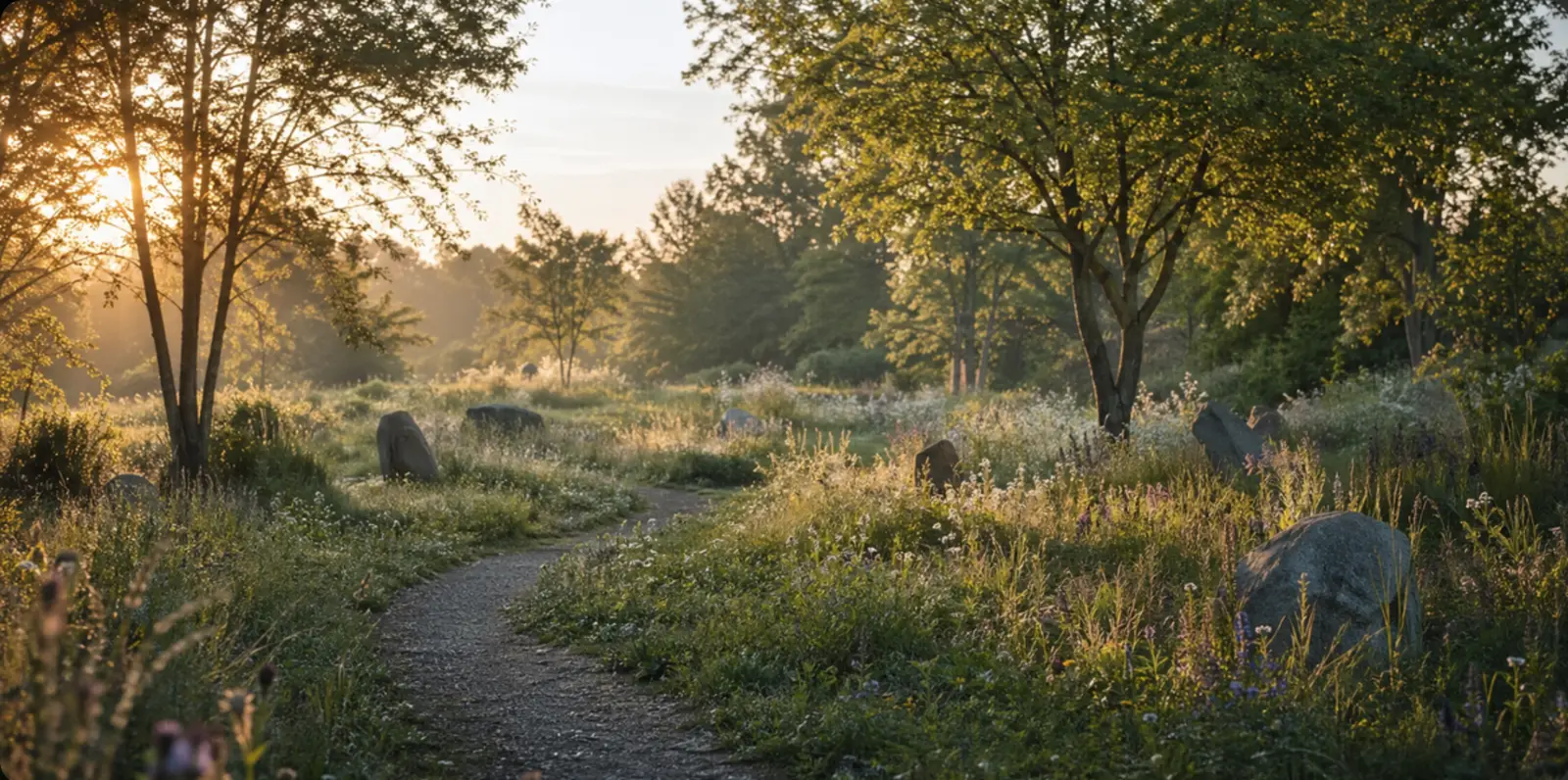
At Morgan Oaks Eternal Preserve in Lincoln, California, families of many backgrounds find a peaceful, natural resting place among oaks, wildflowers, and quiet trails. Our team is always glad to talk through how your traditions can be honored, from the style of service to the details of the day.
If you’d like to see the preserve for yourself, we invite you to request a tour or call us at (833) 667-4266. There’s no pressure, only a chance to ask questions and see whether it feels like the right place for you and your family.